
Traditional ideas. Everyday questions.
You do not need to know the terminology before visiting. Start with what interests you, learn what a session involves and ask what is suitable for you.
New to TCM? Start here
A broad tradition—and Ai Fun’s particular focus.
Traditional Chinese Medicine, or TCM, includes physical approaches such as acupuncture and tai chi, as well as herbal medicine. Different methods have different uses, precautions and levels of research support. Research on one method does not prove that another method or product works.
Ai Fun’s sessions introduced here focus on external wellness care: foot soaking, moxibustion and gua sha. Ask what will happen, how it may feel and whether it is suitable for you. Traditional ideas such as qi and meridians are not medical diagnoses. Do not use wellness sessions to replace prescribed treatment or delay medical assessment.
Plan your first visitWhat is moxibustion?
Understand the warmth before choosing a session.
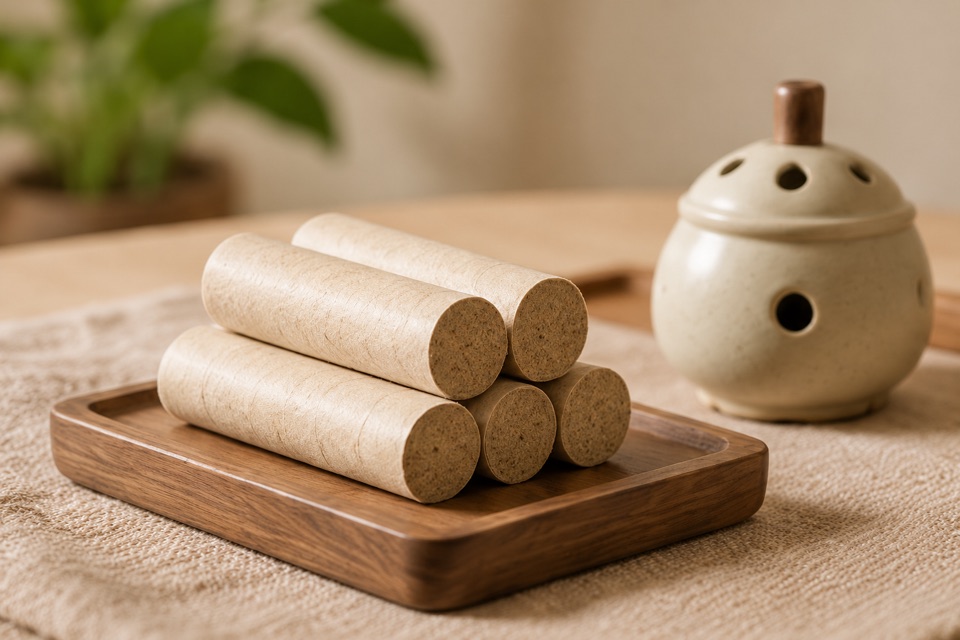
Moxibustion traditionally uses prepared mugwort, called moxa, to produce warmth near selected body areas. Methods vary. Before your visit, ask what equipment and materials are used, how temperature is controlled and whether smoke is produced. A technical name alone does not tell you what the experience will be like.
Heat-based methods can cause burns. Tell the team about pregnancy, skin conditions, reduced sensation, allergies or sensitivity to smoke. If you have a medical condition, seek medical advice about suitability first. Speak up immediately if the heat feels painful or you feel unwell; worsening symptoms are not proof that a treatment is working.
Ask about a sessionGua sha: what does it feel like?
The tool, the pressure and questions to ask.
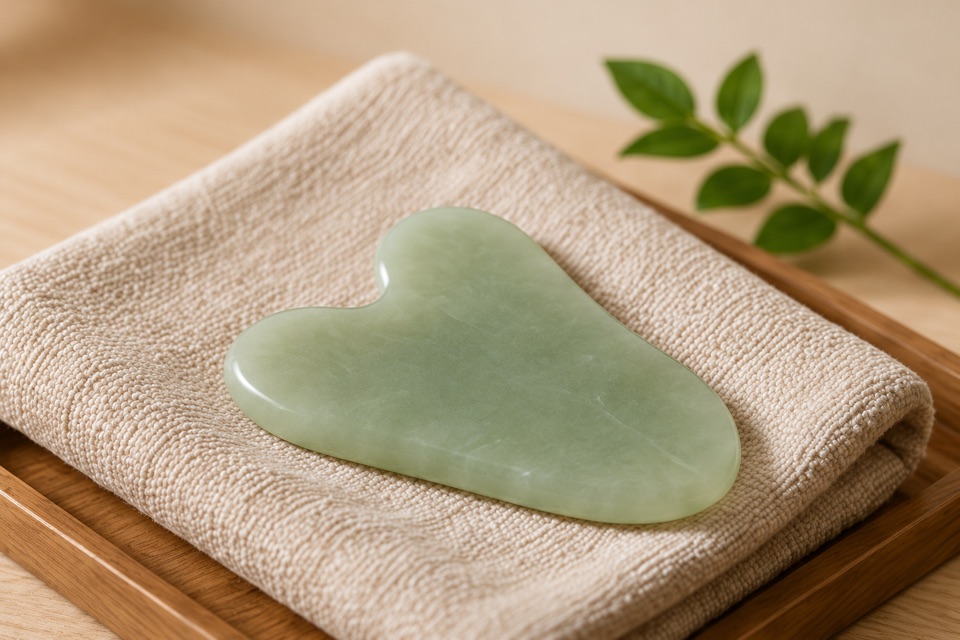
Gua sha uses a smooth-edged tool moved across the skin with pressure. The body area and method affect the experience. Some approaches leave temporary redness or bruising; these marks do not show that toxins have left the body. Facial routines and body gua sha are not necessarily the same service.
Before starting, ask which area will be worked on, whether marks are expected and what aftercare to follow. Mention sensitive or broken skin, easy bruising, blood-thinning medicines and other health concerns. Tell the team if the pressure hurts—there is no need to endure pain. At Ai Fun, the area and price are confirmed at the shop.
Choose a treatmentHerbal foot soaking: before you try it
Warm water, herbal ingredients and important precautions.
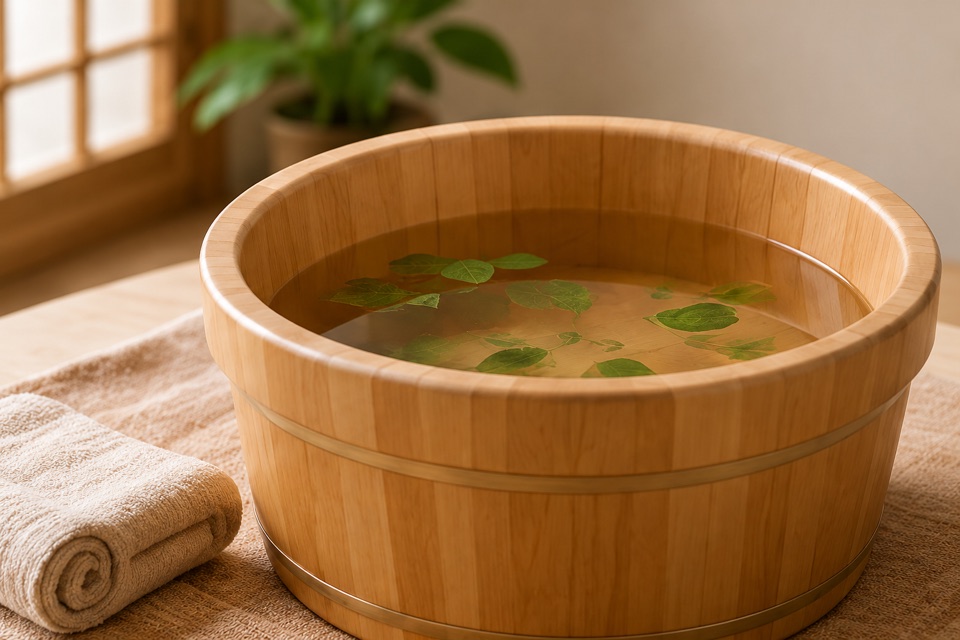
During a herbal foot soak, you remain seated with your feet in warm water and a herbal preparation. Ask which ingredients and equipment are used and how the water temperature is managed. Mention allergies and any broken or irritated skin before considering a session.
HealthHub’s diabetic foot-care guidance advises people with diabetes not to soak their feet. If you have diabetes, avoid foot soaking and speak to your doctor or podiatrist before considering it. Reduced sensation or poor circulation also needs medical advice: you may not notice heat injury promptly. A foot soak is a wellness experience, not a treatment for diabetes or its complications.
Ask us a questionSmall habits between visits
Care continues in your everyday routine.
Everyday care does not need to be a long list of rules. Begin with one manageable habit: more regular sleep, balanced meals, movement during the day or time to wind down. These support general health; a wellness visit does not replace them.
Using a product at home? Read its instructions, ingredients and warnings, and ask about setup and limits before use. A herbal drink, warming patch and heated device have different purposes and precautions. Do not assume that natural means suitable for everyone. Ask a healthcare professional about products if you have a medical condition, are pregnant or take medicines. Keep following prescribed care.
Explore home-care products English
 Chinese